Sovereign Funds Put $14.2 Billion Into China and Hong Kong in Nine Months, 190% More Than in All of 2025, With Four Gulf Funds Supplying Nearly 70%
Sovereign wealth funds invested $14.2 billion in mainland China and Hong Kong in the first nine months of 2026, about 190% above all of 2025. Four Gulf funds supplied nearly 70% of it.
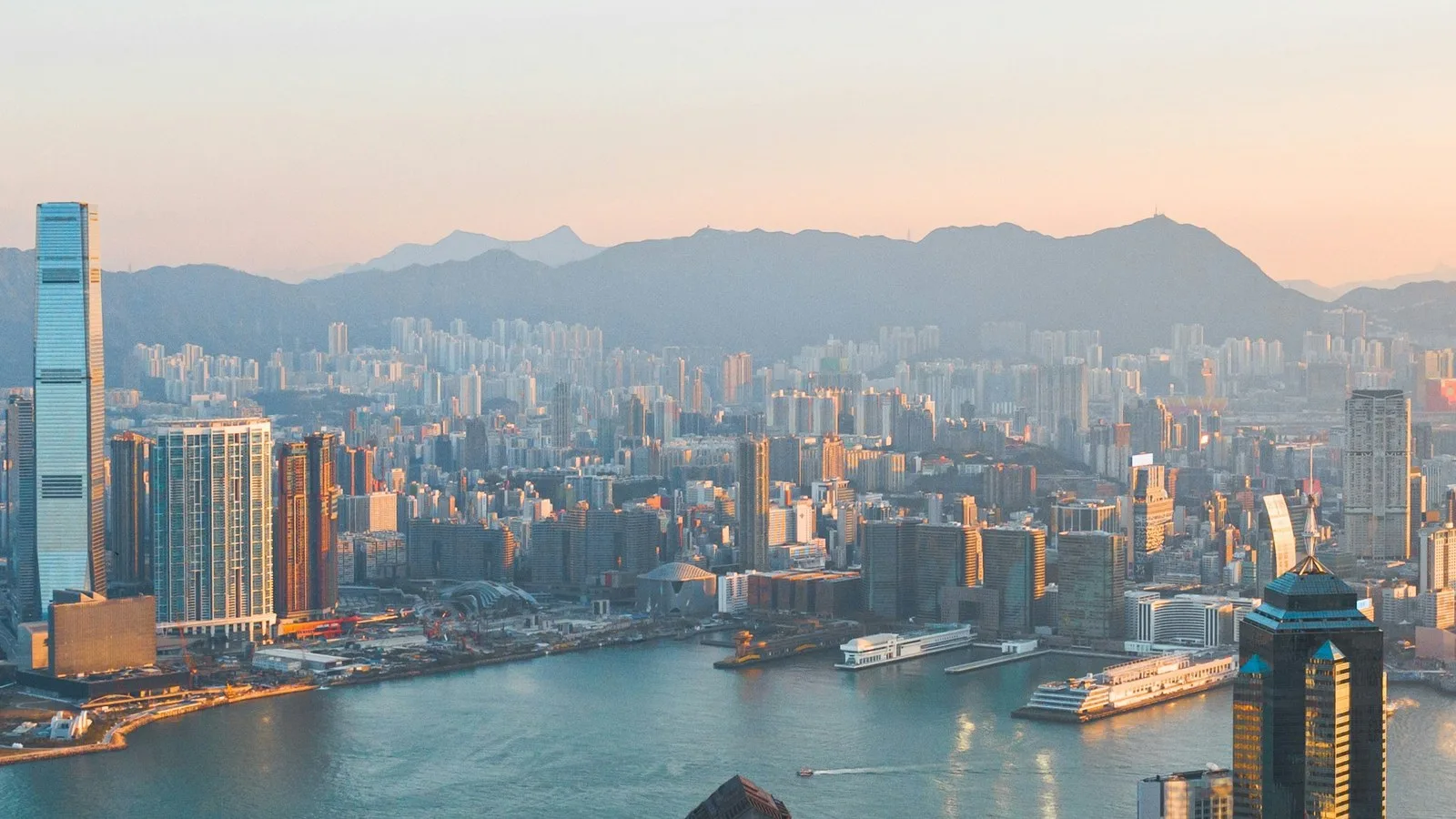
Sovereign wealth funds invested $14.2 billion in mainland China and Hong Kong in the first nine months of 2026, newly compiled sovereign investment data show, about 190% more than they put in during all of 2025. That implies a 2025 total of roughly $4.9 billion (our arithmetic), a year in which sovereign investment into the two markets had already fallen 54% from 2024. For a GP raising Asia-focused capital, the rebound is real but narrow: a handful of Gulf funds supplied almost all of it.
Who supplied it
Four funds account for nearly 70% of the nine-month total. Saudi Arabia's Public Investment Fund invested $6 billion, the Abu Dhabi Investment Authority $2.5 billion, Mubadala $800 million and the Qatar Investment Authority $600 million. Together that is $9.9 billion, or about 70% of the $14.2 billion, and the shares are 42%, 18%, 6% and 4% in that order (our arithmetic on the reported amounts). The figures are by capital only. The number of deals was not reported, and the money is described as concentrated in a handful of very large cheques, so a share by count would be a guess.
What the investors say
Mubadala's Andrew Wang said valuations in China look attractive and that the consumer market remains vast. Temasek's chief investment officer has said biotechnology is an especially exciting area to invest in China. The framing across market commentary has shifted from whether China is investable to how to invest in it, which is a change in sentiment rather than a change in rules.
How it compares
The rebound sits against a wider picture of sovereign capital moving fast. In our earlier view of the region's largest funds, MENA sovereign funds deployed $102 billion across 245 deals in nine months, with 45% going to the US. The two datasets use different definitions and cover different geographies, so the figures should not be added together or divided into each other. What the comparison does show is the scale of Gulf deployment overall.
What a GP should do
This section is our advice, not a view from any fund. If you run a strategy with China or Hong Kong exposure, the list of sovereign buyers is short, so a precise map beats a wide mailing: for each of the four funds, find the team that covers Asia, the managers it already backs there and the deals it has done. Because the money arrives in a few very large cheques, a sovereign wealth fund may favour co-investment or bespoke structures over a standard fund commitment, so prepare for both. Do not assume that a nine-month total points to a standing allocation, because the data does not say whether any fund has set a target.
What to watch next
Watch for full-year totals in January, for whether the Gulf share holds near 70%, and for any fund naming a target or a new Asia hire. FundLinx members can see which institutions are active in your strategy.
FundLinx Intelligence | FundLinx.ai
Playbooks, LP moves and compliance notes for emerging managers. Unsubscribe any time.