TPG Raises $10 Billion for Its Second Climate Fund as LPs Stay in the Energy Transition
TPG has raised $10 billion for Rise Climate II, with New York City and Michigan pension funds reported among its investors, and was set to stop taking new commitments at the end of September.
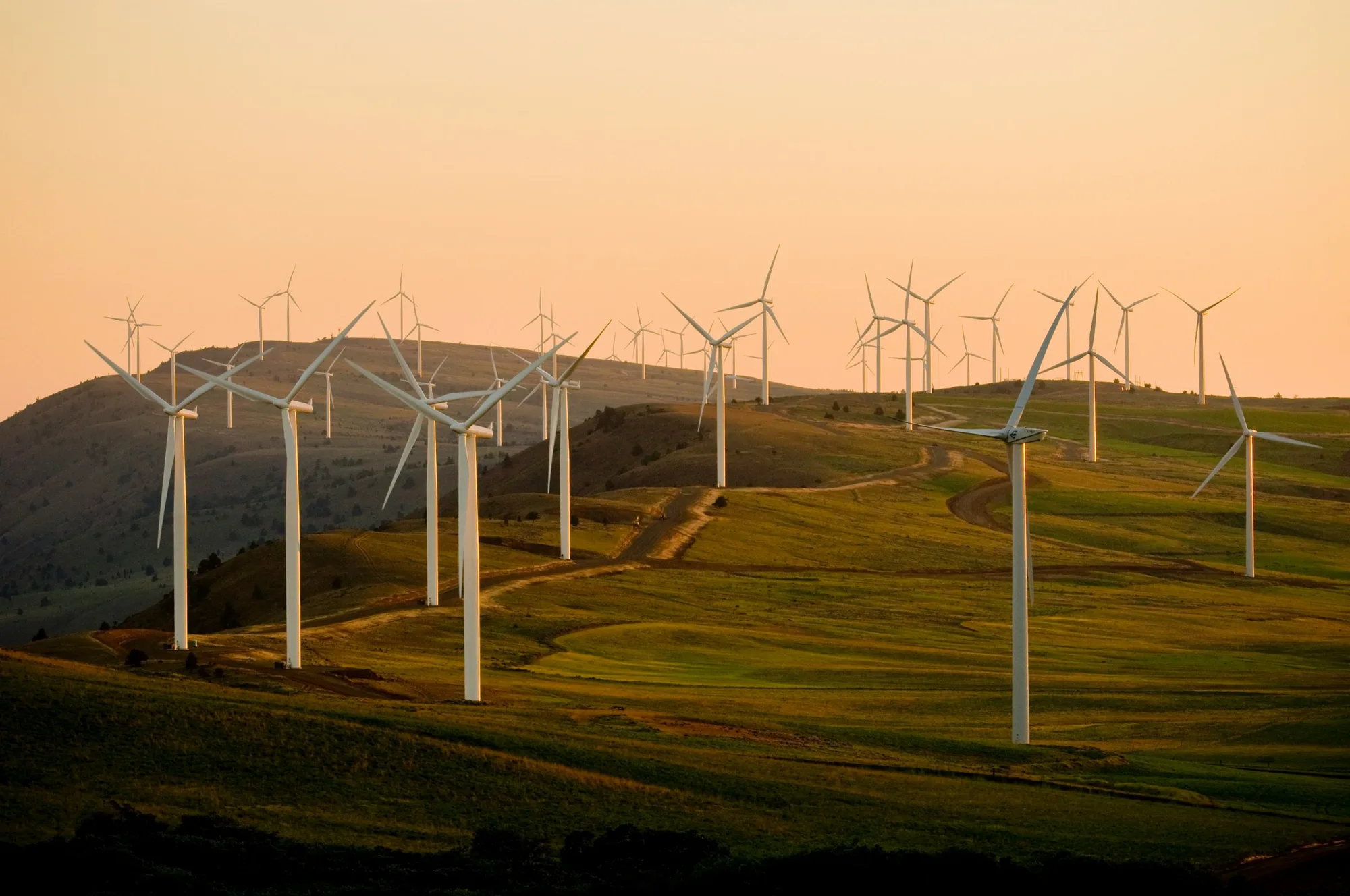
TPG has raised $10 billion for Rise Climate II, its second private equity fund focused on climate, according to reports on 30 September and 1 October 2026. The fund invests in clean energy, electric mobility and sustainable materials, and it was set to close to new subscriptions at the end of September. It follows the first Rise Climate fund, launched in 2021. This is the single fund close we are covering today.
Who is backing it
Reports name several limited partners. The New York City Employees' Retirement System and the State of Michigan Retirement System are among the pension funds said to be in the fund. Alterra was reported to have committed about $1 billion, plus a further $500 million to a separate TPG emerging markets climate strategy. Amounts for the two public pensions were not reported, and the funds have not confirmed the commitments, so treat the list as indicative.
Why the number stands out
A $10 billion total is large in a market where capital is concentrated in a handful of funds. We covered two other closes this week that landed at or above their caps: PCCP closed two funds above their hard cap at a combined $5 billion, and Princeton Equity Group closed its third fund at the hard cap in two months. Together with TPG, that is three closes of different sizes in a week, which suggests that investors will still pay for a clear thesis and a known manager. Climate has had mixed headlines, so a close of this size is a counterpoint to the view that institutions are stepping away from the theme.
What it means for managers raising now
The first lesson is about size and the type of LP that supports it. Public pensions and sovereign-linked climate investors can write large tickets, but they favour managers with a track record in the sector. A first-time climate manager should not expect to draw on the same pool. The second lesson is about timing: once a fund is set to stop taking commitments, as this one was at the end of September, the window to join a final close is narrow.
For smaller managers, the useful move is to map who sits beside whom. If the same public pensions that back a large climate fund also look at mid-market funds, a prior relationship or an introduction through a shared investor can start a conversation. Look at which plans publicly disclose climate allocation targets and when their next pacing decisions fall. Avoid copying a mega-fund pitch; lead with the niche the large funds do not serve, such as a particular technology, geography or ticket size.
FundLinx members can see which pension funds are committing to climate strategies this quarter.
FundLinx Intelligence | FundLinx.ai